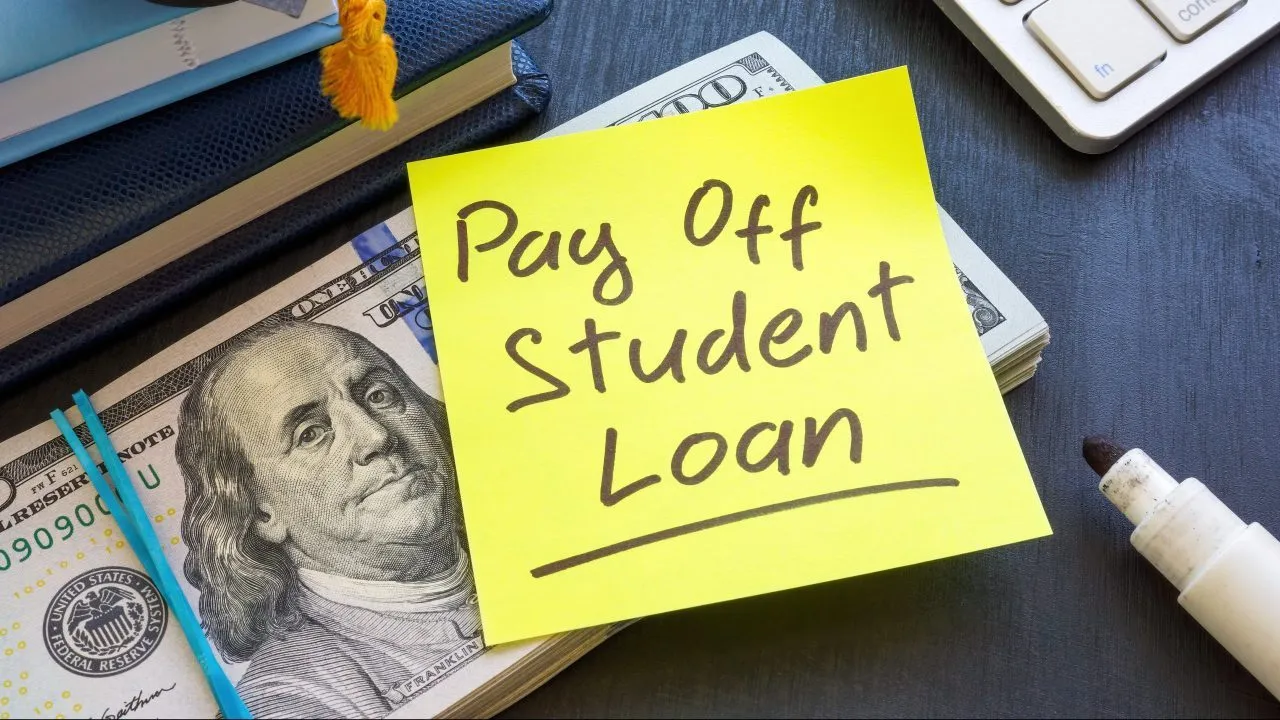
Student loans are advances taken to pay college fees or pay for other cost of education. Some of the students do not have the leverage of grants and scholarships to ease off the burden of their college fees. They have to resort to a mix of grant, scholarship and loan to fund their college fees. It is advised to pay off the student loan as early as possible to save on the interest amount that would have been paid in the entire loan tenure.The best way to pay off the student loan is to repay more than the minimum each month. The more you pay the less interest you will owe and quicker the outstanding loan balance will reduce.
Are There Any Drawbacks Of Paying Off Student Loan Early?
Paying off student loan quickly is a good thing as it reduces any kind of financial burden on you. You will save on the interest amount and you will become financially independent. Paying off the student loan will also reduce your debt to income ratio.
On the other hand, there are some drawbacks on paying of the student loan early.
• You will not be able to take benefit of student loan tax deduction.
• You may have to make financial sacrifices elsewhere. You may have to empty or part away with a major portion of your savings account. You might not have enough funds for your emergencies if you do so. This can be taken care off if you save a substantial amount for your urgent needs before repaying the student loan.
• This might prevent you from saving for your retirement from early on.
Ways To Repay Your Student Loan
1. Refinance Your Student Loan –
You may get your student loan refinanced and transfer your debt to a new loan account. This could be to a different loan type with the same bank or a different bank. The new loan account can be according to your repayment capacity and the terms with which you are comfortable with. It could have a lower rate of interest.
2. Request An Income-Based Repayment Plan –
If you are facing trouble in making monthly repayments, you could contact your lender to provide you income based repayment plan. There are four types of income-based repayment plans.
a. Income based repayment plan (IBR) – it calculates loan repayment by calculating 10% of your discretionary income.
b. Income contingent repayment plan (ICR) – It calculates your discretionary income using the adjusted gross income on your federal income tax return. Then you will be asked to repay 20% of your discretionary income.
c. Pay as you earn (PAYE) repayment plan – After calculating your adjusted gross income, you are asked to pay 10% of your disposable income.
d. Revised pay as you earn (REPAYE) repayment plan – It is like PAYE but usually with longer repayment terms.
3. Make Biweekly Repayments Instead Of Monthly –
In case of lower income, you could opt for repayments of smaller amount made more frequently. This way you will be able to keep up to your repayment schedule. It will also help you budget out your rest of your life with your remaining discretionary income.
4. Take Advantage Of Employee Benefit Schemes –
Some companies offer student loan repayment programs as an employee benefit. This can be used to repay the student loan.
5. Claim The Student Loan Tax Deduction –
You can avail a tax deduction on the interest amount paid on your student loan.